ACAP / Pennsylvania conservation
Conservation funding.
Made tangible.
Studio57Production documented Pennsylvania’s Agriculture Conservation Assistance Program through farmer interviews, on-farm footage, and policy context.
A clear view of the people, places, and work behind the funding.
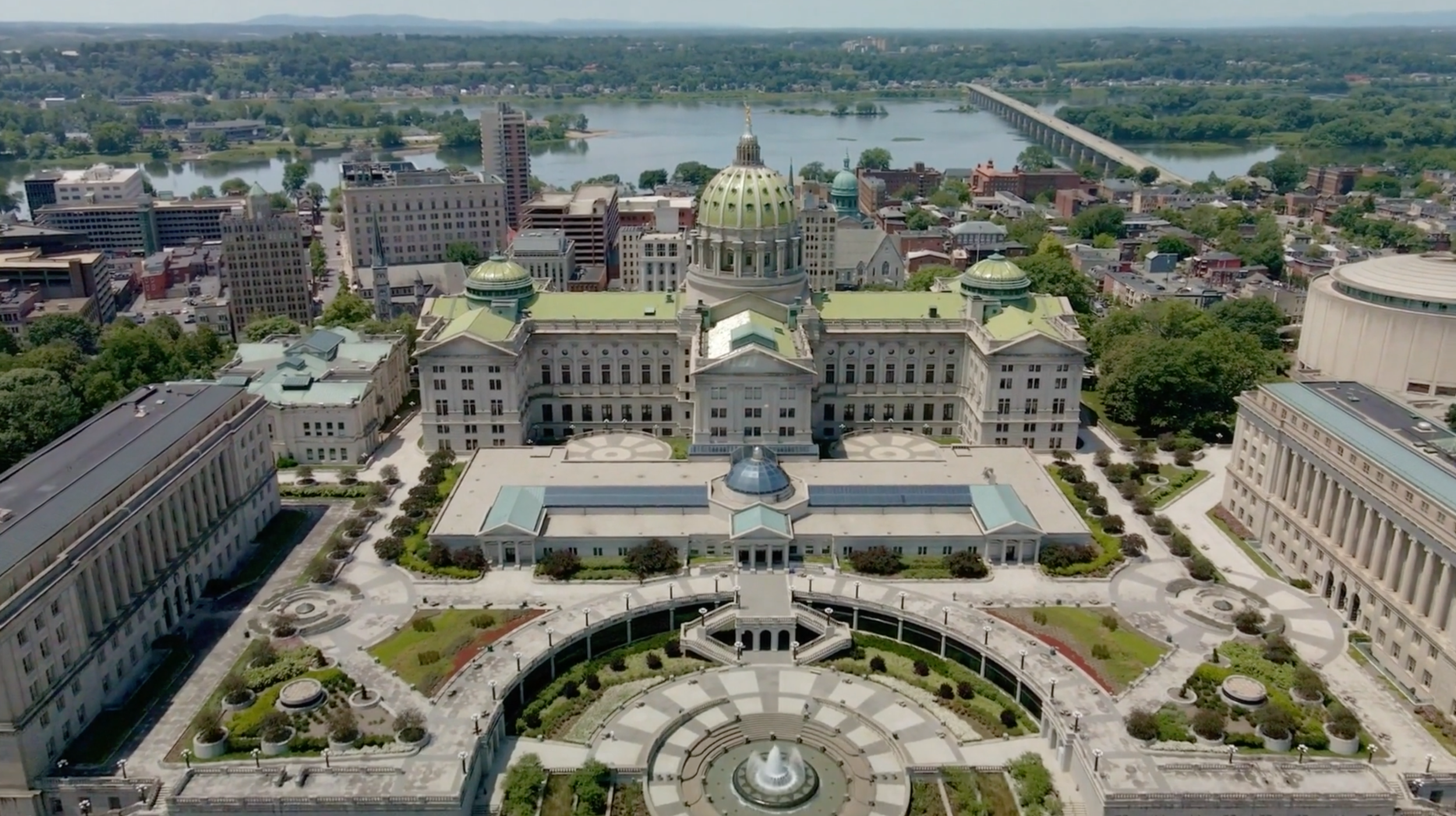
The project at a glance.
An agricultural video production case study from Pennsylvania, connecting a public conservation program with the people and places it serves.
The subject
ACAP and the conservation projects taking shape on Pennsylvania farms: stream restoration, runoff management, and infrastructure improvements.
The audience
Legislators, program stakeholders, and communities who need a clear explanation of what conservation funding supports.
Studio57’s approach
Documentary-style interviews, on-site filming, aerial farm footage, and before-and-after visuals bring practical details into the story.
The deliverables
A short film for quick introductions and a longer version designed for briefings, presentations, and deeper program context.
Why this film was needed.
The challenge was simple: conservation funding can feel abstract until people see what it actually does. This film was built to help legislators and stakeholders understand the real-world value of continued support.
The Need
The Agriculture Conservation Assistance Program (ACAP), administered through Pennsylvania’s State Conservation Commission, supports projects tied to clean water and soil health outcomes through the Clean Streams Fund.
The problem is that restoration work takes time. Projects often run across multiple sites and seasons, so the results are real—but not always easy to explain quickly to decision-makers.
The Goal
Create a film that showed what funding looks like in practice: real farmers, real infrastructure improvements, and visible conservation work that legislators could immediately understand.
The goal was not to oversell the program, but to make the outcomes clear, practical, and credible.
Stream restoration
Shows visible work that improves waterways and reduces erosion.
Runoff management
Connects funding to practical changes in soil health and farm sustainability.
Infrastructure upgrades
Highlights improvements like concrete pads and barn-related conservation work.
On-farm implementation
Shows that ACAP funding leads to real projects, not abstract program language.
Video deliverables built for different audiences.
A short version creates fast clarity. A longer version gives stakeholders the context they need for briefings, presentations, and program understanding.
ACAP extended film · 6 minutes 50 seconds
A longer view of the program, with farmer interviews, on-farm footage, and policy context for briefings and presentations.
Farmer interviews
Explains program value through the people directly experiencing the changes.
Senator interviews
Adds policy context and shows how funding decisions connect to on-the-ground results.
Before-and-after visuals
Makes progress visible instead of relying only on explanation.
Aerial farm b-roll
Establishes place, scale, and the broader context around each project site.
What the film helped accomplish.
The finished film became a clear, reusable explanation of the program—showing what ACAP funding supports and why consistent funding matters when projects take time and multiple sites are active at once.
Plain-language understanding
Gives legislators a clearer view of what the program actually funds and changes.
Stronger briefings
Provides staff with a reusable tool for meetings, outreach, and presentations.
Better funding conversations
Supports decision-making with visuals instead of relying only on summaries.
Long-life asset
Creates something useful across seasons, audiences, and communication needs.
Instead of asking decision-makers to trust a written summary, the video lets them see the work for themselves.
How the story was built.
The film was structured to show not just what the program does, but why annual funding matters when conservation projects take months or years to complete.
Interview Structure
Interviews focused on practical outcomes: what changed, what problem it solved, and what would happen without the project. That kept the message accessible to non-technical audiences.
Proof on the Ground
Real sites and real implementation were captured—stream work, runoff management, and infrastructure upgrades—so the message stayed believable and specific.
Visual comparisons
Before-and-after visuals help audiences understand changes at a project site. The film presents that work in context rather than asking viewers to rely on program language alone.
Built for Reuse
The short cut supports quick review. The long cut supports reporting, conferences, and deeper briefings without feeling like promotional advertising.
Questions about conservation filmmaking.
What is ACAP?
The Agriculture Conservation Assistance Program provides financial and technical assistance for conservation practices on Pennsylvania farms. It is administered by the State Conservation Commission and implemented through participating county conservation districts. Read the official ACAP overview.
What makes a conservation film useful?
A clear audience and purpose come first. For this project, farmer perspectives and footage of actual work connect program information to visible examples. Short and long versions provide different levels of detail for outreach and briefings.
Does Studio57 work outside Pennsylvania?
Studio57Production is based in Elizabethtown, Pennsylvania, serving regional clients and environmental and agricultural organizations nationwide. Tell us where your project takes place so we can discuss filming locations and travel as part of the scope.
How do we start a similar project?
Share your program’s purpose, intended audience, filming locations, deadline, and where the finished video will be used. Those details help define the interviews, field coverage, schedule, and film versions. Discuss your project with Studio57.
Explore our environmental and agricultural video services, environmental impact films, and field and event coverage.
Start a conversation
There is a story
in the work.
Tell us about your program, the people it serves, and the audience you need to reach. Let’s make the work understandable.